Blog

  • 2025 Beverage Trends- The Year of Functional Recovery

    2025 Beverage Trends- The Year of Functional Recovery

    As we move into 2025, the consumer-packaged goods (CPG) industry is undergoing significant transformation. Driven by shifting consumer preferences, health-conscious behavior, and advances in product innovation, companies are rapidly evolving to meet emerging demands. Recovery—both physical and mental—has become a central theme in the post-pandemic era, and brands are focusing on products that enhance well-being holistically, while emphasizing healthy ingredients and delivering convenience. Below we explore the key trends and product attributes driving the CPG industry in 2025, emphasizing three critical areas: physical health (hydration, adaptogens, protein, and gut health), mental health (nootropics), and sleep (l-theanine and magnesium).

    lady making the heart symbol with her hands

    1. Physical Health: Hydration, Adaptogens, Protein, and Gut Health

      Physical wellness remains a priority for consumers, particularly as more people adopt active lifestyles. In 2025, four key product attributes—hydration, adaptogens, protein, and gut health—are leading the charge in the physical health segment.

      Hydration: The Foundation of Physical Wellness

      Proper hydration is essential for regulating body temperature, supporting joint health, and enhancing nutrient absorption—critical factors for those leading active lifestyles. Furthermore, hydration directly impacts gut function, aiding in digestion and nutrient breakdown, which complements the benefits of prebiotics and probiotics.

      In response to rising consumer demand for convenience and customization, stick packs and powdered hydration beverages have emerged as critical formats in the hydration space. These portable, single-serve solutions make it easy for consumers to stay hydrated on-the-go, whether they’re at the gym, traveling, or at work. Many of these powdered products are fortified with electrolytes, vitamins, and minerals to promote optimal hydration and recovery, offering a functional edge over plain water. Additionally, many formulations now incorporate adaptogens or gut-friendly ingredients, bridging multiple health trends in one product. By offering convenience without sacrificing functionality, stick packs and powdered beverages are becoming a staple in the wellness routines of active consumers.

      Adaptogens: Stress Relief and Balance

      Adaptogens, natural substances known to help the body resist stressors, have surged in popularity. Consumers are increasingly seeking functional beverages, snacks, and supplements infused with adaptogens like ashwagandha and rhodiola. The appeal lies in their potential to reduce fatigue, boost energy, and improve focus without the jittery effects associated with caffeine.

      Key CPG Innovations in Adaptogens:

      • Beverages: Functional drinks containing adaptogens offer an alternative to traditional caffeinated beverages.
      • Supplements: Adaptogen-based capsules and powders are tailored for specific outcomes, such as increased energy or relaxation.

      Protein: The Building Block for Muscle-Recovery

      Protein remains a cornerstone of the health and wellness category, particularly for consumers focused on fitness and recovery. Plant-based protein continues to gain traction alongside traditional whey and animal-derived proteins.

      Key CPG Innovations in Protein:

      • Plant-Based Protein Products: From pea protein to chickpea, plant-based options cater to various dietary needs and are exploding in popularity.
      • Protein-Enhanced Foods: Products like protein-enriched cereals, chips, and pasta help consumers meet their daily intake goals.
      • Personalized Protein Solutions: Companies are leveraging data to offer personalized protein blends based on individual health profiles.

      Gut Health: The Gateway to Overall Wellness

      A healthy gut is increasingly recognized as fundamental to well-being. Consumers are turning to products that support gut health through probiotics, prebiotics, and postbiotics.

      Key CPG Innovations in Gut Health:

      • Probiotic Beverages: Kombucha and kefir have been joined by probiotic-infused waters, juices, and teas.
      • Functional Snacks: Prebiotic-rich snacks made with ingredients like chicory root are becoming more prevalent.
      • Synbiotic Products: These combine probiotics and prebiotics to deliver comprehensive gut support.

      A cup of tea and some functional mushrooms

    2. Mental Health: The Rise of Nootropics

      Mental well-being is no longer an afterthought; it’s a priority. The pandemic underscored the importance of mental health, driving demand for products that enhance cognitive function and improve mood. Nootropics—compounds known to boost brain performance—are leading this charge.

      Nootropics: Brain Boosters for Cognitive Performance

      Nootropics include both natural and synthetic substances that may improve cognitive function. Popular nootropics like L-theanine, ginseng, and lion’s mane are being incorporated into everyday products.

      Key CPG Innovations in Nootropics:

      • Functional Beverages: Nootropic-infused drinks designed to improve focus and mental clarity.
      • Cognitive Health Supplements: Capsules and powders targeting memory enhancement and stress reduction.
      • Edibles: Nootropic gummies and chocolates provide a tasty and convenient way to consume these brain-boosting compounds.

      Brands are positioning their products not just as physical enhancers but as tools for achieving a balanced mind and body.

    3. Sleep: The Foundation of Recovery

      Sleep is essential for recovery, yet many consumers struggle to achieve restful sleep. As a result, the sleep health category within the CPG industry is booming.

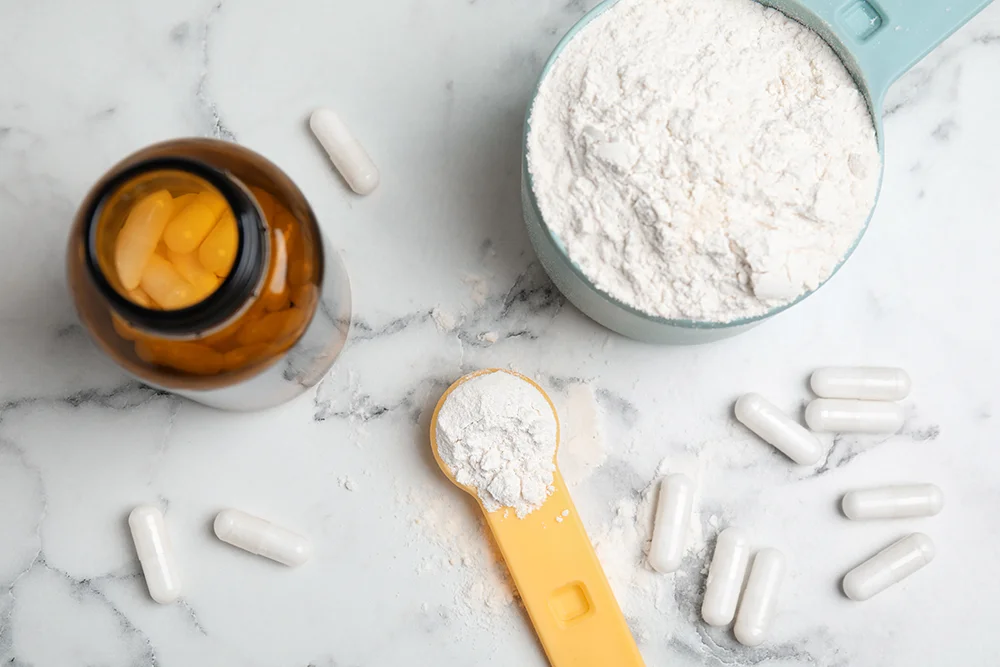
    creatine in pwder and pill formatSupplements for Sleep Recovery

    Natural sleep aids are becoming a preferred choice for consumers seeking better rest. These products often incorporate ingredients known for their calming and sleep-inducing properties.

    Key Sleep-Aiding Ingredients:

    • Magnesium: Known for its calming effects, magnesium supplements can help reduce anxiety and promote muscle relaxation.
    • L-Theanine: Found in tea, L-theanine promotes relaxation, making it ideal for unwinding before bed.
    • GABA (Gamma-Aminobutyric Acid): GABA is a neurotransmitter that inhibits excessive brain activity, helping the mind and body relax.

    Key CPG Innovations in Sleep:

    • Sleep-Inducing Beverages: Herbal teas and sleep drinks containing ingredients like ashwagandha, L-theanine and magnesium.
    • Sleep Supplements: Capsules, gummies, and powders tailored to improve sleep quality are growing in demand. Beverage brands are leading the innovation with sleep-formulated inspired teas and cocoas.
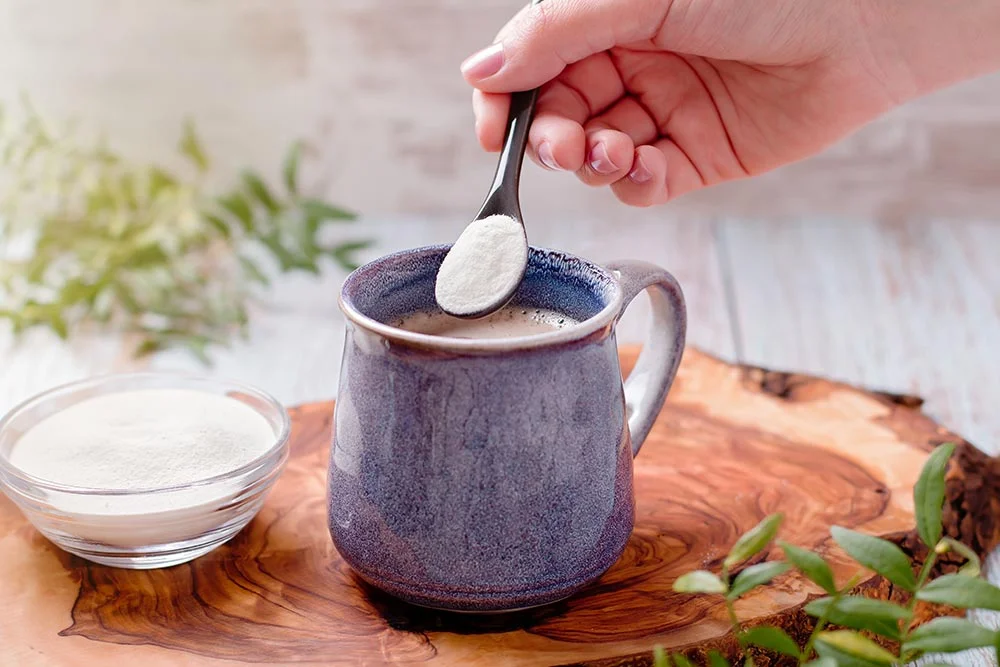
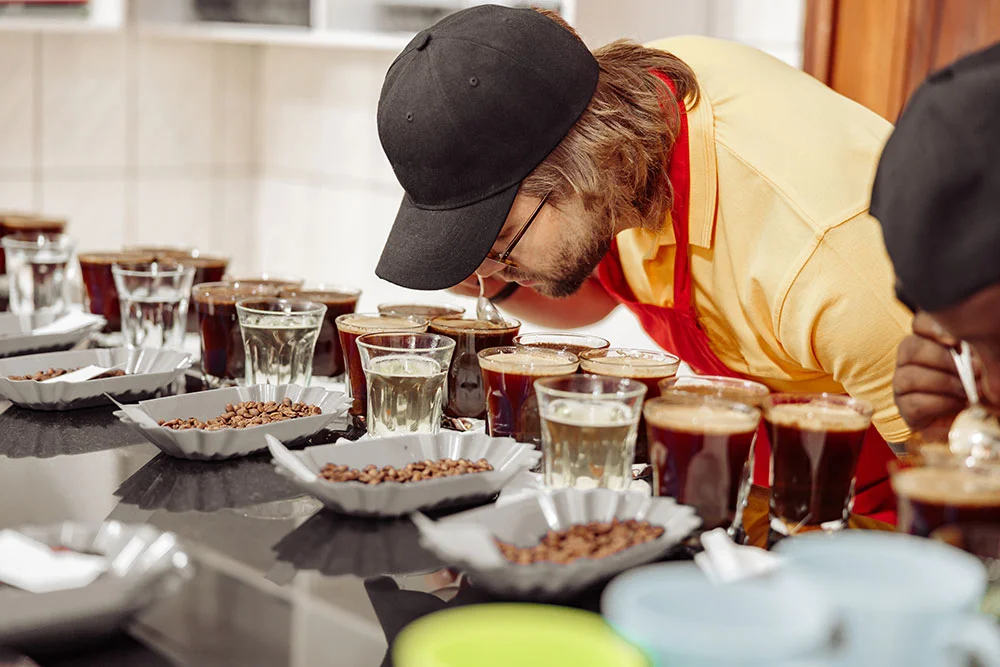
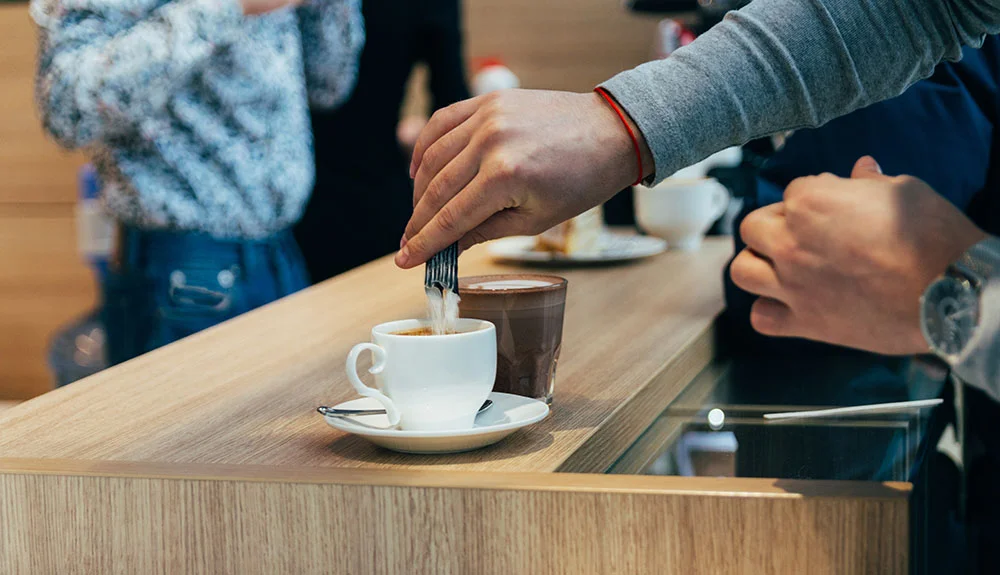
    A person is holding a spoon in a cup.

    Coffee: The Health Benefits of a Beloved Beverage

    Coffee remains the most consumed beverage worldwide (2.25 billion cups daily), and its health benefits are increasingly being recognized as healthy, most recently by the FDA. Rich in antioxidants, coffee can reduce inflammation and support overall health. Studies have linked moderate coffee consumption to improved brain function, reduced risk of certain diseases, and enhanced physical performance.

    In addition to providing an energy boost, coffee’s ritualistic nature makes it the perfect vehicle to deliver daily supplements to customers, rather than having to remember to take capsules of the same supplements. As more consumers seek functional beverages, brands are developing coffee products with added nootropics, adaptogens, and even probiotics to enhance the coffee’s natural health benefits.

    About Intelligent Blends:

    Located in San Diego, Intelligent Blends stands at the forefront of sustainable manufacturing, producing an array of products including coffee bags, K-cups, stick packs, and pouches. Our specialization lies in coffee, tea, elixirs, collagens, bone broths, proteins and particularly in the seamless integration of functional ingredients within these offerings.

    Conclusion: A New Era for CPG in 2025

    The CPG industry is poised for a dynamic year ahead, with recovery—both physical and mental—at the heart of consumer demand. As brands innovate in the areas of physical health, mental wellness, and sleep, they must stay attuned to broader trends like personalization and clean labeling. Companies that successfully navigate this landscape will not only capture market share but also build lasting relationships with increasingly health-conscious consumers.

    In 2025, recovery isn’t just a buzzword—it’s a way of life.
    Press Release archives

  • 2024 CPG Powder Beverage Highlights

    2024 CPG Powder Beverage Highlights

    The Consumer Packaged Goods (CPG) industry is undergoing a remarkable transformation in 2024, driven by shifting consumer preferences, technological advancements, and heightened environmental awareness. With consumers demanding more personalized, sustainable, and health-conscious solutions, the sector is rising to the challenge with innovation and transparency. Here’s a look at the key trends shaping the future of CPG:

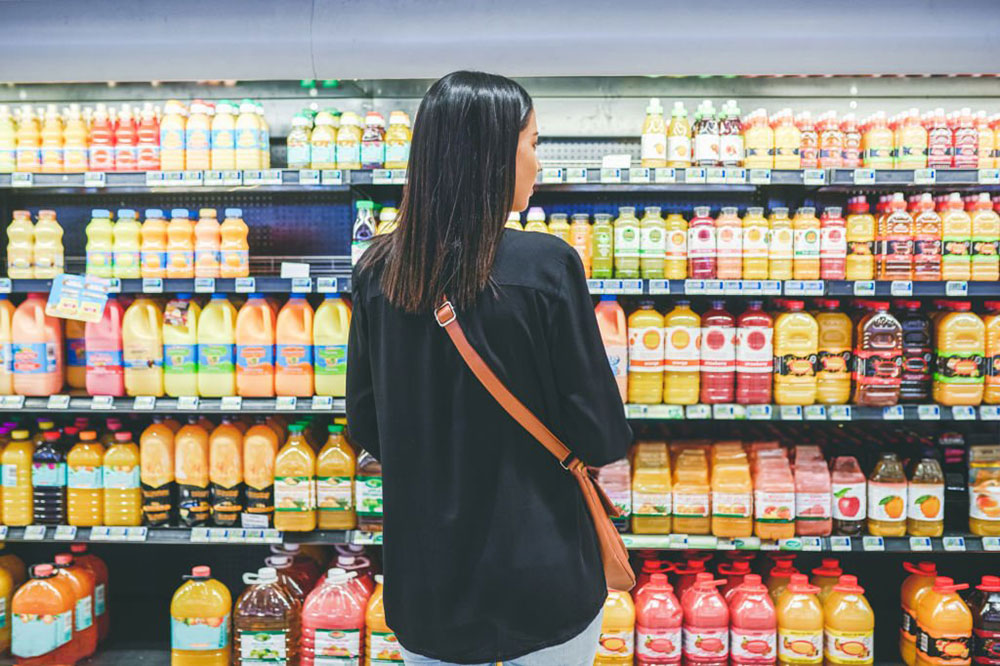
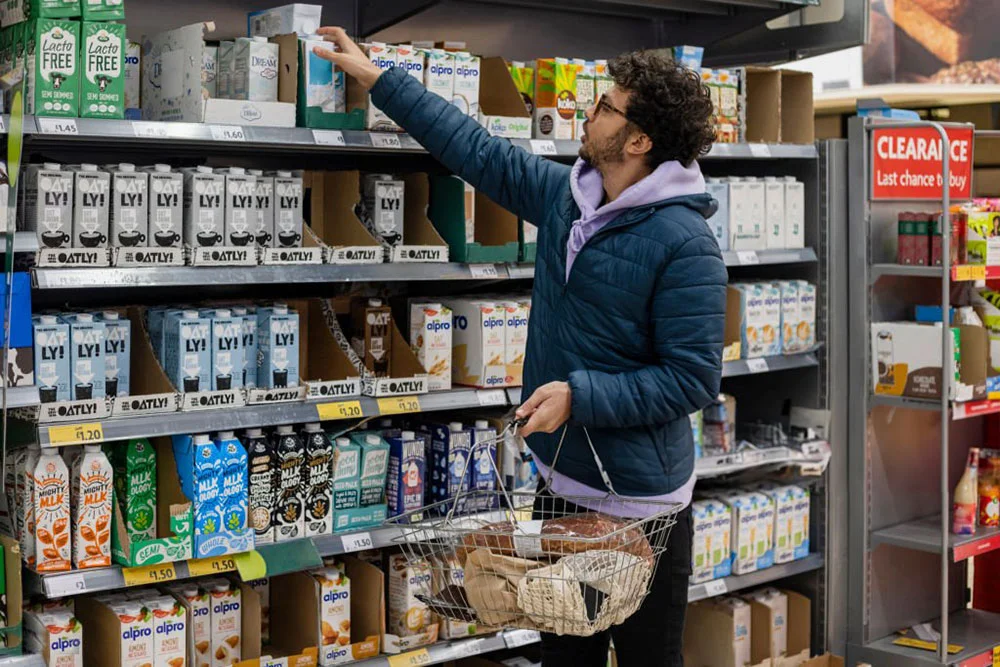
    A woman standing in front of shelves filled with juice.

    Updating Business Models

    1. Direct-to-Consumer (DTC) Expansion
      Traditional retail is no longer the default. CPG brands are increasingly adopting Direct-to-Consumer (DTC) models, bypassing brick-and-mortar channels in favor of online platforms. This approach allows companies to create highly personalized shopping experiences, fostering stronger customer relationships and brand loyalty. Whether it’s legacy players refining their strategies or startups harnessing digital-first tools, DTC is reshaping how consumers interact with brands.
    2. Sustainability and Transparency
      Sustainability is no longer a buzzword—it’s a consumer expectation. Brands are implementing eco-friendly initiatives such as recyclable packaging, renewable energy-powered production, and ethical ingredient sourcing. Transparency has also become paramount, with consumers demanding to know what’s in their products and where they come from. Companies embracing these practices not only align with consumer values but also position themselves as leaders in environmental responsibility.

    Shifting Consumer Preferences: Functional Beverages

    1. Better-for-You (BFY) Products
      Functional foods and beverages are becoming mainstream as consumers look for health-conscious yet indulgent options. Products enriched with probiotics, protein, and adaptogens—such as low-sugar snacks, vegetable chips, and protein bars—are gaining widespread appeal. These offerings align with the trend toward personalized wellness.
    2. Plant-Based and Alternative Proteins
      The plant-based revolution is no longer confined to vegans. Advances in texture and flavor have attracted flexitarians, broadening the category’s reach. Protein-enriched products now span snacks like chips and popcorn, beverages like enhanced water and coffee, and even desserts like ice cream. This diversification is meeting the dual demand for indulgence and functionality.
    3. Women’s Health Products
      Products addressing women’s unique health needs, such as supplements for hormonal balance or beverages enriched with beauty-boosting ingredients like collagen and hyaluronic acid, are gaining traction. These trends are opening doors for innovative offerings that go beyond traditional nutrition. From functional foods to beverages enriched with superfoods and adaptogens, the health-conscious market continues to grow exponentially.
    1. Coffee +

    The integration of adaptogens, protein, and other supplements into coffee is transforming the beverage landscape in 2024. Coffee is no longer just an energy booster—it’s becoming a functional beverage that supports overall health and wellness, seamlessly delivering beneficial ingredients into daily routines.

    Adaptogens like ashwagandha, reishi mushrooms, and maca are now common additions, helping to manage stress, enhance focus, and boost immunity. Protein-enriched coffee is also rising in popularity, especially among fitness enthusiasts and busy professionals looking for a convenient way to combine energy and nutrition.

    Other supplements, such as collagen for skin health, probiotics for gut support, and vitamins like B12 and D, are being infused into coffee to meet the needs of health-conscious consumers. These blends are marketed as all-in-one solutions, combining the comforting ritual of coffee with the benefits of a functional beverage.

    This trend reflects the growing “food as medicine” movement, where convenience meets wellness. Coffee brands are responding by collaborating with health supplement companies, launching ready-to-drink options, and educating consumers to solidify these innovative products as staples in modern lifestyles.

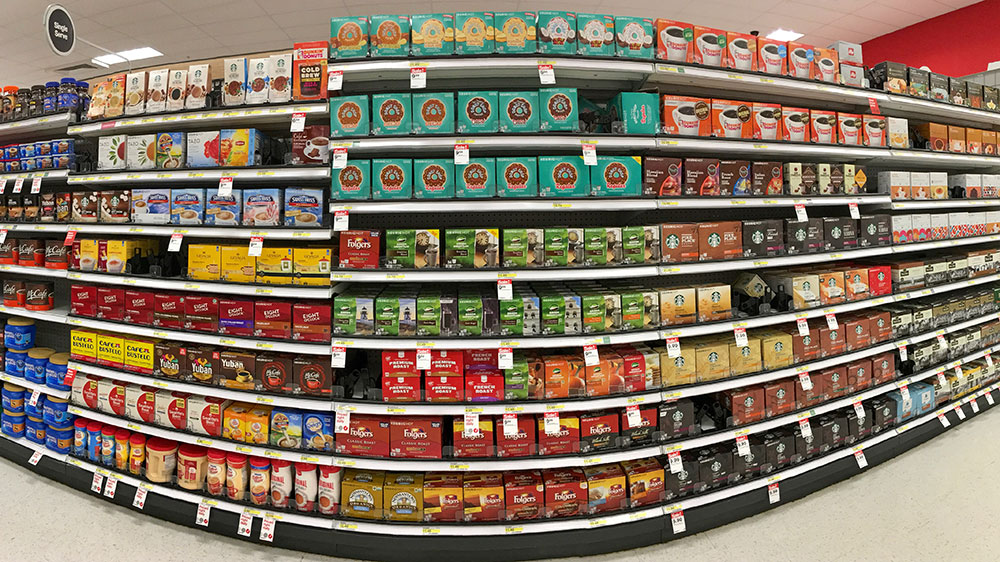
    grocery store shelves stocked with k-cup cartons

    What’s Next for CPG?

    The future of the CPG industry lies at the intersection of innovation, sustainability, and consumer-centricity. As brands navigate these trends, they are not just responding to consumer demands but actively shaping the next generation of products and experiences.

    Whether it’s embracing DTC models, championing sustainability, or diving deep into health-focused innovation, the CPG sector is poised for a dynamic year ahead.

    By aligning with these trends, companies can not only stay relevant but also thrive in an evolving marketplace.

    Cheers to what’s in store for 2025!

    Press Release archives

  • Intelligent Blends Expands Offerings with New Automated Pouching Manufacturing Line

    Intelligent Blends Expands Offerings with New Automated Pouching Manufacturing Line

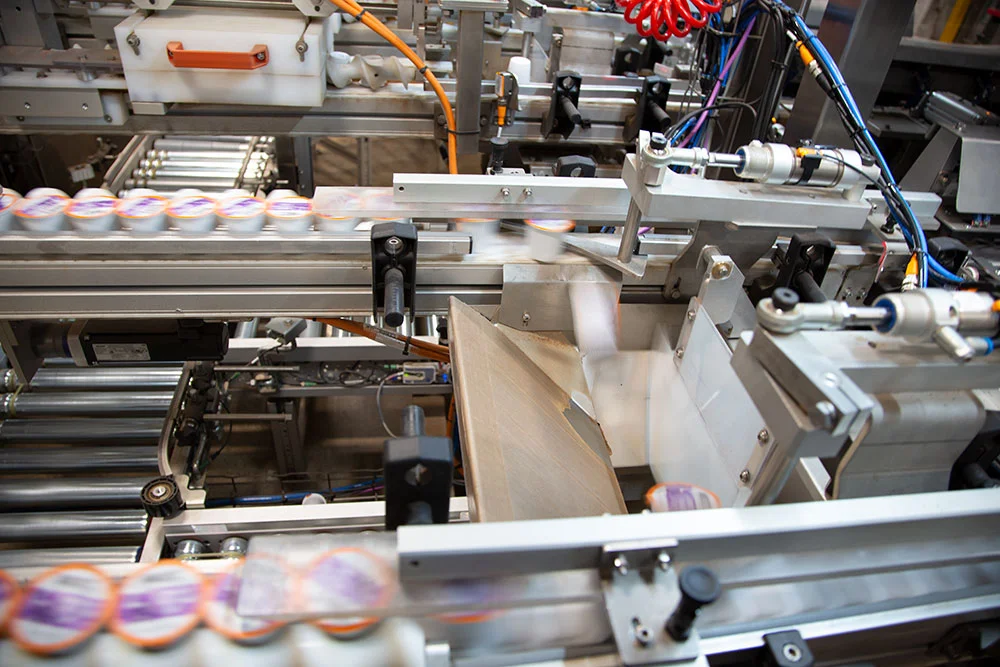
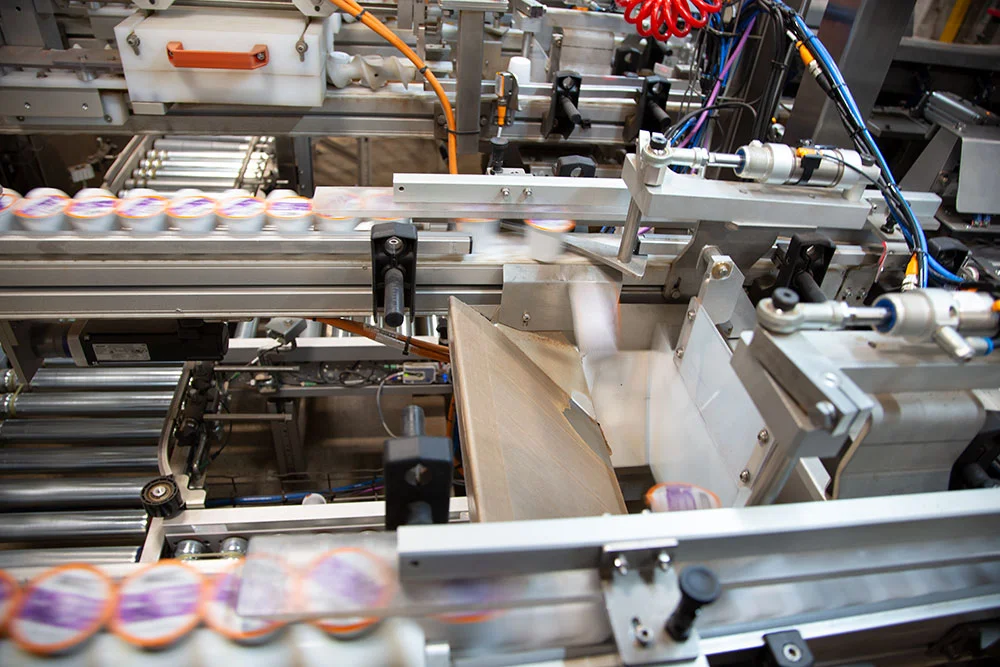
    San Diego, CA – October 24, 2024 — Intelligent Blends is pleased to announce the successful launch of a new automated pouching manufacturing line, further enhancing our ability to meet the diverse needs of our co-packing customers. This expansion complements our current powder packaging formats, which include K-Cups, stick packs, and coffee bags, reinforcing our position as a trusted partner in the evolving market for coffee, tea, and functional powders.

    Electrolytes powder in a bag


    “Our new pouching line underscores our commitment to supporting our co-packing partners and responding to the dynamic demands of today’s market,” said John Lenz, Vice President of Sales at Intelligent Blends. “With the growing interest in functional beverages, we are excited to offer this additional packaging option, enabling our partners to deliver innovative products in the formats consumers prefer.”


    At Intelligent Blends, we are dedicated to excellence, quality, and continuous innovation. Our mission is to empower our co-packing customers with a wide array of packaging solutions that align with the latest market trends and consumer behaviors.

    As we continue to expand and innovate, we remain committed to our core values and the needs of our partners. With the introduction of the new pouching line, Intelligent Blends is well-positioned to support the growing functional powder sector and deliver high-quality products that meet evolving consumer demands.

    Intelligent Blends Expands Offerings with New Automated Pouching Manufacturing Line


    “Our new automated pouching line allows us to produce over 5 million pouches annually, right here at our facility,” said Grant Linebach, Head of Manufacturing at Intelligent Blends.


    From offering R&D formulation services and full turnkey sourcing to high-quality production and order fulfillment, Intelligent Blends delivers comprehensive solutions with ease and precision.

    For More Information About Our Products and Services, Please Contact Us

    Contact Us
    contact-person

    For more information about our products and services, please contact us at info@intelligentblends.com .

    Come visit us at Supplyside in Las Vegas October 30 & 31. Booth #2486

    See the full release here at PR News Wire

    About Intelligent Blends

    Intelligent Blends is a privately held, sustainable manufacturer of single-serve and bagged beverages, including coffees and teas, based in Southern California. The company offers co-packing and hospitality solutions for partners worldwide, while boasting several in-house brands that are distributed through select e-commerce and retail sites. With a commitment to creating high-quality, sustainable options for customers and partners, Intelligent Blends offers unmatchable services and products that are easy and cost-effective, while never losing sight of the infinite possibilities that come from flexibility, innovation and a passion for what you do.

    Press Release archives

  • K-Cups Here to Stay! Versatile, Convenient, Customizable and Not Just For Coffee

    K-Cups Here to Stay! Versatile, Convenient, Customizable and Not Just For Coffee

    In today’s fast-paced world, convenience and versatility is key, and one of the most popular ways people have embraced convenience is through the use of K-Cups. These small, single-serve pods have transformed the way we enjoy beverages, offering unparalleled versatility when it comes to ingredients and flavors. K-Cups are not just limited to coffee; they can accommodate a wide array of ingredients, from teas and hot chocolates to more innovative blends like flavored waters and even soups. Let’s explore the versatility of K-Cups, their impact on the beverage industry, and how companies like Intelligent Blends are at the forefront of developing K-Cup solutions for businesses.

    Keep reading for a full overview on the versatility of K-Cups, or use the links below to go straight to a specific topic.


    A Brief History of K-Cups and Their Growing Popularity

    K-Cups were invented by John Sylvan and Peter Dragone in 1992, who founded Keurig to bring single-serve coffee brewing to homes and offices. What began as a simple innovation to brew a single cup of coffee quickly evolved into a multimillion-dollar industry. According to Statista, nearly 42% of U.S. households now own a single-serve coffee maker, such as a Keurig brewer, with a significant portion using K-Cups to fuel their daily caffeine needs. Globally, the single-serve coffee market is growing rapidly, with experts projecting it to reach $20.5 billion by 2026, up from $12.3 billion in 2019.


    Brief History

    The Versatility of K-Cups: More Than Just Coffee

    While most people associate K-Cups with coffee, their versatility extends far beyond this popular beverage. The beauty of K-Cup technology lies in its ability to be customized and filled with a wide array of ingredients. Creating custom K-Cups offers businesses a unique opportunity to stand out in the competitive single-serve beverage market. By tailoring K-Cups to specific consumer preferences, businesses can attract new customers and build brand loyalty. Here are some popular custom K-Cup ideas that have gained traction across different industries:

    1. Gourmet Coffee Blends

    • Signature Roasts: Coffee shops and roasters can offer their exclusive coffee blends in K-Cup form. From single-origin roasts to unique flavor profiles (e.g., chocolate, berry, or nutty notes), these custom blends let businesses create a premium coffee experience for customers.
    • Small Batch/Artisan Blends: Highlighting small-batch or artisan craftsmanship resonates with consumers looking for quality over mass production.

    2. Functional Beverages

    • Vitamin-Infused Coffee: Coffee blends enhanced with vitamins like B12, D3, and antioxidants appeal to health-conscious consumers who want more than just a caffeine boost.
    • Adaptogen-Infused Coffee or Tea: Blending adaptogenic herbs like ashwagandha or reishi mushrooms with coffee or tea can attract wellness-focused consumers seeking stress relief, immunity boosts, or enhanced mental clarity.
    • Protein-Infused Coffee or Tea: Coffee infused with protein powder appeals to fitness enthusiasts looking for a post-workout pick-me-up or meal replacement.

    3. Unique Tea Blends

    • Herbal and Functional Teas: Customized K-Cups with ingredients like chamomile, hibiscus, ginger, or turmeric cater to the growing wellness tea market. Functional blends can focus on relaxation, digestion, or boosting energy.
    • Exotic Tea Blends: Offering international tea varieties like Japanese matcha, Indian masala chai, or South African rooibos can appeal to tea aficionados seeking something beyond standard black or green tea.

    4. Flavored Coffees

    • Seasonal and Limited-Edition Flavors: Popular during holiday seasons, flavors like pumpkin spice, peppermint mocha, cinnamon roll, or gingerbread can drive customer interest. Seasonal flavors create a sense of urgency, encouraging more sales.
    • Dessert-Inspired Coffees: Flavors inspired by popular desserts like crème brûlée, chocolate fudge, or caramel macchiato can give consumers a sweet treat in beverage form without the calories.

    5. Hot Chocolate and Specialty Cocoa

    • Gourmet Hot Chocolate: Businesses can offer rich, decadent cocoa blends with additions like sea salt caramel, dark chocolate, or peppermint for a premium hot chocolate experience.
    • Kid-Friendly Hot Chocolate: Brands can create custom K-Cups for children, with options like marshmallow-infused or sugar-free hot chocolate blends.

    6. Cold Brew and Iced Coffee

    • Cold Brew K-Cups: With the rising demand for iced beverages, offering cold brew K-Cups that customers can brew over ice is a popular trend. Customized blends like vanilla cold brew or nitro-infused cold brew can appeal to millennials and Gen Z consumers.
    • Flavored Iced Coffee K-Cups: Customizing iced coffee with unique flavors like coconut, mocha, or hazelnut creates differentiation in the market.

    7. Soups and Broths

    • Instant Soup Pods: Brands can expand beyond beverages by offering K-Cup soups such as chicken noodle, tomato, or miso. This option caters to consumers looking for a quick and easy meal.
    • Bone Broth K-Cups: Bone broth has gained popularity as a healthy, nutrient-rich beverage. Custom K-Cups with bone broth cater to health-conscious consumers looking for a warming, protein-packed drink.

    8. Dessert and Sweet Beverage K-Cups

    • Chai Latte and Matcha Latte K-Cups: Offering indulgent latte-style K-Cups for drinks like chai lattes or matcha lattes can be popular for consumers who love café-style beverages but want the convenience of brewing at home.
    • Milkshake and Smoothie K-Cups: These can be made using dehydrated fruits or cocoa powders and are perfect for a quick dessert drink.

    9. Energy and Hydration K-Cups

    • Electrolyte-Rich Beverages: Sports drinks and hydration-focused beverages, such as those packed with electrolytes, can be offered as convenient K-Cups for post-workout hydration.
    • Energy Blends: Custom K-Cups containing ingredients like caffeine, taurine, or guarana offer a convenient way to give consumers an energy boost.

    10. Alcohol-Inspired K-Cups

    • Non-Alcoholic Cocktail Mixes: Custom K-Cups that mimic popular cocktails, like a virgin mojito, piña colada, or margarita, can be brewed over ice and are great for parties and events.
    • Coffee Liqueur-Inspired Drinks: Coffee drinks inspired by liqueurs like Irish cream or Kahlua without the alcohol offer an indulgent treat in K-Cup form.

    The variety of ingredients that can be packed into a K-Cup is nearly limitless, allowing consumers to experience a wide range of flavors and health benefits from one simple brewing system.


    Why Coffee Dominates the K-Cup Market

    Despite the wide array of ingredients that can be packed into K-Cups, coffee remains the dominant product. According to market research, coffee K-Cups account for over 80% of total sales in the single-serve pod market. But why is coffee the king of K-Cups?

    1. Convenience:

    Coffee is one of the most consumed beverages in the world, with 64% of American adults drinking at least one cup a day. K-Cups offer a convenient, mess-free way to enjoy a fresh, high-quality cup of coffee without the hassle of grinding beans or cleaning a coffee pot.

    2. Customization:

    K-Cups allow users to customize their coffee experience. From choosing the roast level to experimenting with flavors and caffeine content, coffee drinkers appreciate the variety.

    3. Quality:

    The sealed design of K-Cups ensures that each pod retains its freshness and flavor, leading to a consistent brew every time.

    4. Portion Control:

    In a world where portion control matters, K-Cups allow consumers to brew a single serving of coffee, reducing waste and preventing overconsumption.

    These factors have contributed to the enduring popularity of coffee K-Cups, which continue to dominate the market despite the rising diversity of K-Cup offerings.


    Coffee Dominates

    The Sustainability of K-Cups: Moving Toward a Greener Future

    As the popularity of K-Cups has grown, so have concerns about their environmental impact. Millions of plastic K-Cups are discarded every day, raising alarms about landfill waste. However, the industry is taking steps to address these concerns by focusing on recyclability, compostability, and reusability.

    1. Recyclable K-Cups:

    Many companies have shifted toward making recyclable K-Cups, where the plastic components can be easily separated and recycled. Intelligent Blends, for example, offers eco-friendly solutions with recyclable pods, ensuring that users can enjoy their coffee guilt-free.

    2. Compostable K-Cups:

    Compostable K-Cups are another innovation aimed at reducing waste. These pods are made from plant-based materials, which can break down in industrial composting facilities. This option is gaining popularity among environmentally conscious consumers and businesses alike.

    3. Reusable K-Cups:

    For those looking to cut down on waste even further, reusable K-Cups are a viable option. These pods are typically made from stainless steel or BPA-free plastic and can be filled with the user’s choice of coffee or tea. Once brewed, the pods can be cleaned and reused multiple times, drastically reducing plastic waste.


    K-Cups sustainability

    The Business Side of K-Cups: How Intelligent Blends is Shaping the Future

    The K-Cup market continues to expand, with year-over-year growth driven by innovation and consumer demand for convenience. The global K-Cup market is expected to experience significant growth, especially in North America, Europe, and the Asia-Pacific region. This presents a tremendous opportunity for businesses to tap into the growing single-serve market.

    1. Custom K-Cup Development:

    Intelligent Blends is a leader in custom K-Cup development, helping businesses create personalized blends tailored to their brand. Whether you’re a coffee shop looking to offer your own signature brew or a wellness brand aiming to deliver a functional beverage, Intelligent Blends provides solutions from conception to manufacturing.

    2. Private Label K-Cups:

    For businesses interested in expanding their product offerings, Intelligent Blends also offers private label K-Cups. This allows companies to sell K-Cups under their own branding, giving them a competitive edge in the marketplace.

    3. Sustainability Solutions:

    Intelligent Blends is committed to sustainability, offering a range of eco-friendly K-Cup options, including compostable and recyclable pods. This commitment not only meets consumer demand but also aligns with global efforts to reduce plastic waste and promote sustainable practices.

    4. Branding Opportunities:

    Customized K-Cups enable businesses to showcase their brand through packaging, logos, and personalized blends. It’s a way to create a unique connection with customers, especially for coffee shops, restaurants, or wellness brands.

    5. New Revenue Streams:

    Selling custom K-Cups provides an additional revenue stream, especially for businesses with a loyal customer base. Coffee shops, for example, can offer their unique blends in K-Cup form for at-home brewing.

    6. Catering to Trends:

    With growing interest in health and wellness, businesses can capitalize on popular trends like functional drinks, cold brew, and protein-infused beverages.

    7. Customer Loyalty:

    Offering custom products that reflect consumer tastes and lifestyle choices, such as seasonal flavors or eco-friendly options, builds brand loyalty and can lead to repeat business.


    Statistics on K-Cup Ownership and Market Growth

    Let’s take a look at some key statistics that highlight the impact of K-Cups on the global market:

    • 42% of U.S. households own a single-serve coffee machine. This number has steadily increased as more people seek convenience and quality in their daily beverage choices.
    • Over 400 varieties of K-Cups are available, catering to a wide range of preferences, from traditional coffee and tea to more innovative beverages like soups and cold brews.
    • The global K-Cup market is projected to grow from $12.3 billion in 2019 to $20.5 billion by 2026, showing a compound annual growth rate (CAGR) of approximately 7%.
    • The K-Cup market is not just a North American phenomenon; demand is increasing in international markets, particularly in Europe and the Asia-Pacific region.

    These statistics demonstrate the widespread appeal and growing adoption of K-Cups as a versatile and convenient beverage solution.


    Conclusion: The Future of K-Cups is Bright

    K-Cups have revolutionized the way we consume beverages, offering unparalleled convenience and variety. From traditional coffee and tea to more innovative options like soups and flavored waters, the versatility of K-Cups has no bounds. As sustainability becomes more important to consumers, the industry is making strides toward reducing environmental impact through recyclable, compostable, and reusable options.

    Intelligent Blends is a leading provider that offers businesses the opportunity to create custom K-Cups tailored to their audience’s preferences. From developing signature blends to producing sustainable, recyclable pods, Intelligent Blends helps brands capitalize on the K-Cup market while staying environmentally conscious.

    In the future, we can expect to see even more innovation in the types of ingredients that can be packed into K-Cups and further advancements in sustainability efforts, making K-Cups a staple not only for coffee drinkers but for a wide range of beverage consumers around the world.

    Press Release archives

  • Stick Pack vs. Stand Up Pouch Packaging: Which Is The Best Format For You

    Stick Pack vs. Stand Up Pouch Packaging: Which Is The Best Format For You

    In the rapidly evolving world of product packaging, two formats stand out for their versatility, convenience, and growing popularity: stick pack packaging and stand up pouch packaging. Both of these packaging solutions have become essential in various industries, from food and beverages to pharmaceuticals and personal care products. This blog will explore the pros and cons of each type of packaging, highlight the benefits, and discuss the domestic and worldwide market growth for both segments. We will also look into how companies like Intelligent Blends integrate these packaging formats to meet the demands of their diverse customer base.

    Keep reading for a full overview of stick pack and stand up pouches, or use the links below to go straight to a specific topic.

    A person is pouring instant stick ingredients into a cup

    Stick Pack Packaging: A Rising Star

    What is Stick Pack Packaging?

    Stick pack packaging is a form of flexible packaging where products are enclosed in narrow, tube-like pouches. These pouches are typically single-use and are designed for easy handling and precise portion control. The packaging is sealed on all sides to ensure the product’s freshness and integrity.

    Benefits of Stick Pack Packaging

    1. Convenience and Portability: One of the most significant advantages of stick pack packaging is its convenience. These small, lightweight packages are perfect for on-the-go consumption. Whether it’s a powdered drink mix, nutritional supplement, or medication, consumers can easily carry stick packs in their pockets or bags.
    2. Portion Control: Stick packs offer precise portion control, which is particularly beneficial for products like powdered supplements, coffee, and tea. Consumers can use the exact amount needed without the mess or guesswork.
    3. Reduced Material Use: Compared to traditional packaging formats, stick packs use significantly less material, making them a more sustainable option. This reduction in material not only lowers production costs but also minimizes environmental impact.
    4. Extended Shelf Life: The sealed nature of stick packs helps protect the contents from exposure to air, moisture, and light, extending the product’s shelf life.
    5. Versatility in Applications: Stick pack packaging is suitable for a wide range of products, including powders, granules, liquids, and gels. This versatility makes it a popular choice across various industries.

    Drawbacks of Stick Pack Packaging

    1. Limited Branding Space: Due to their small size, stick packs offer limited space for branding and labeling. This can be a challenge for companies that want to convey detailed product information or marketing messages.
    2. Single-Use Packaging: While convenient, the single-use nature of stick packs can contribute to waste if not properly disposed of or recycled. This raises environmental concerns, especially in regions with inadequate recycling infrastructure.
    3. Potential for Overpackaging: In some cases, the use of stick packs can lead to overpackaging, where multiple sticks are bundled together in an additional outer package. This can negate some of the environmental benefits associated with reduced material use.

    a pouch of creatine infused creamer

    Stand Up Pouch Packaging: The Versatile Solution

    What is Stand Up Pouch Packaging?

    Stand up pouch packaging (also known as gusset pouch packaging) is a type of flexible packaging that can stand upright on its own due to a gusseted bottom. These pouches are commonly used for a variety of products, including snacks, powdered supplements and coffee. The packaging is typically made from a combination of plastic films, aluminum foil, and paper, which provides durability and barrier protection.

    Benefits of Stand Up Pouch Packaging

    1. Enhanced Shelf Presence: One of the key advantages of stand up pouches is their ability to stand upright on store shelves. This feature enhances the product’s visibility and appeal, making it more likely to catch the consumer’s eye.
    2. Customizable Design: Stand up pouches offer ample space for branding, labeling, and creative design elements. Companies can use this space to communicate product benefits, ingredients, and usage instructions, as well as to differentiate their products from competitors.
    3. Product Protection: Stand up pouch packaging provides excellent barrier protection against moisture, oxygen, and light, helping to preserve the product’s freshness and quality. This is especially important for products like coffee, snacks, and powdered supplements.
    4. Reusability and Convenience: Many stand up pouches come with resealable closures, such as zippers or spouts, allowing consumers to use the product multiple times while maintaining its freshness. This feature adds convenience and reduces waste.
    5. Eco-Friendly Options: As sustainability becomes increasingly important to consumers, many manufacturers are offering eco-friendly stand up pouches made from recyclable or compostable materials. This helps reduce the environmental impact of packaging.

    Drawbacks of Stand Up Pouch Packaging

    1. Higher Production Costs: Compared to simpler packaging formats, stand up pouches can be more expensive to produce due to the complexity of materials and manufacturing processes involved.
    2. Limited Suitability for Certain Products: While stand up pouches are versatile, they may not be suitable for all types of products. For example, products with sharp edges or heavy liquids may require more robust packaging solutions.
    3. Environmental Concerns: Despite the availability of eco-friendly options, the majority of stand up pouches are made from multi-layered materials that are difficult to recycle. This can contribute to environmental pollution if not properly managed.

    Domestic and Worldwide Market Growth

    Stick Pack Market Growth

    The stick pack market is projected to grow at a compound annual growth rate (CAGR) of about 5.4% from 2024 to 2030. This growth is driven by the rising demand for convenient, single-serve products in the food, beverage, and pharmaceutical industries. In North America, the stick pack market is particularly strong, fueled by the region’s fast-paced lifestyle and preference for on-the-go consumables. Asia-Pacific is expected to be the fastest-growing region, with China and India leading the demand due to increasing urbanization and rising disposable incomes​.

    In the United States, stick pack packaging has gained traction in the health and wellness sector, where it is used for products like powdered supplements, protein shakes, and energy drinks. The convenience and portion control offered by stick packs align with the preferences of health-conscious consumers.

    Globally, the stick pack market is expanding in regions such as Asia-Pacific and Europe, where there is a growing demand for single-serve coffee, tea, and other beverages. The rise of e-commerce has also contributed to the market’s growth, as stick packs are lightweight and easy to ship, reducing logistics costs.

    Stand Up Pouch Market Growth

    The stand up pouch market is growing even more rapidly, with a projected CAGR of 8.11% from 2024 to 2032. This growth is largely attributed to the increasing demand for flexible, lightweight, and portable packaging solutions. Stand up pouches are particularly popular in the food and beverage sector, where their ability to extend shelf life and reduce transportation costs are highly valued. North America currently dominates this market, but Asia-Pacific is expected to witness the fastest growth, driven by changing lifestyles and increasing consumer spending in countries like China and India​.

    In the domestic market, stand up pouches have become a preferred packaging format for premium and organic products, where the packaging’s aesthetic appeal and product protection capabilities are highly valued. The rise of the clean label movement has further boosted the demand for stand up pouches, as they provide ample space for transparent labeling and branding.

    On a global scale, the stand up pouch market is expanding rapidly in emerging markets such as Latin America, Africa, and Asia-Pacific. The growing middle class in these regions, coupled with the increasing popularity of packaged and convenience foods, is driving the demand for stand up pouch packaging. Additionally, the trend towards sustainable packaging is encouraging manufacturers to invest in eco-friendly stand up pouches.

    Comparing Stick Pack and Stand Up Pouch Packaging

    When comparing stick pack packaging and stand up pouch packaging, it’s important to consider the specific needs of the product, target market, and brand positioning. Each packaging format has its unique strengths and limitations, making them suitable for different applications.

    Convenience and Portability

    • Stick Packs: Stick packs are ideal for products that require precise portion control and on-the-go consumption. Their small size and lightweight nature make them extremely portable, which is why they are commonly used for single-serve beverages, supplements, and condiments.
    • Stand Up Pouches: Stand up pouches, while still portable, are better suited for products that are consumed over multiple servings. The resealable closures add convenience by allowing consumers to use the product multiple times, making them ideal for snacks, creamers, coffee, and other powdered products.

    Branding and Aesthetics

    • Stick Packs: Due to their limited surface area, stick packs offer less space for branding and product information. However, creative design and printing techniques can still make stick packs visually appealing and effective in conveying key messages.
    • Stand Up Pouches: Stand up pouches provide ample space for branding, labeling, and design elements. This makes them an excellent choice for products that require a strong shelf presence and detailed product information. The ability to customize the shape and features of stand up pouches further enhances their visual appeal.

    Sustainability

    • Stick Packs: Stick packs use less material compared to other packaging formats, which can reduce their environmental impact. However, their single-use nature and the difficulty of recycling certain materials can raise sustainability concerns.
    • Stand Up Pouches: Stand up pouches offer more eco-friendly options, with some manufacturers producing pouches made from recyclable or compostable materials. The resealable feature also reduces waste by allowing consumers to use the product over multiple occasions.

    Cost Considerations

    • Stick Packs: Stick packs are generally more cost-effective to produce due to their simple design and minimal material use. They are an economical option for products that require single-serve packaging.
    • Stand Up Pouches: Stand up pouches can be more expensive to produce, especially when incorporating advanced features like resealable closures and custom printing. However, the added value in terms of branding, product protection, and consumer convenience can justify the higher costs.

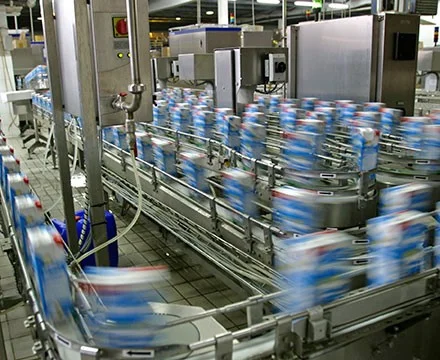
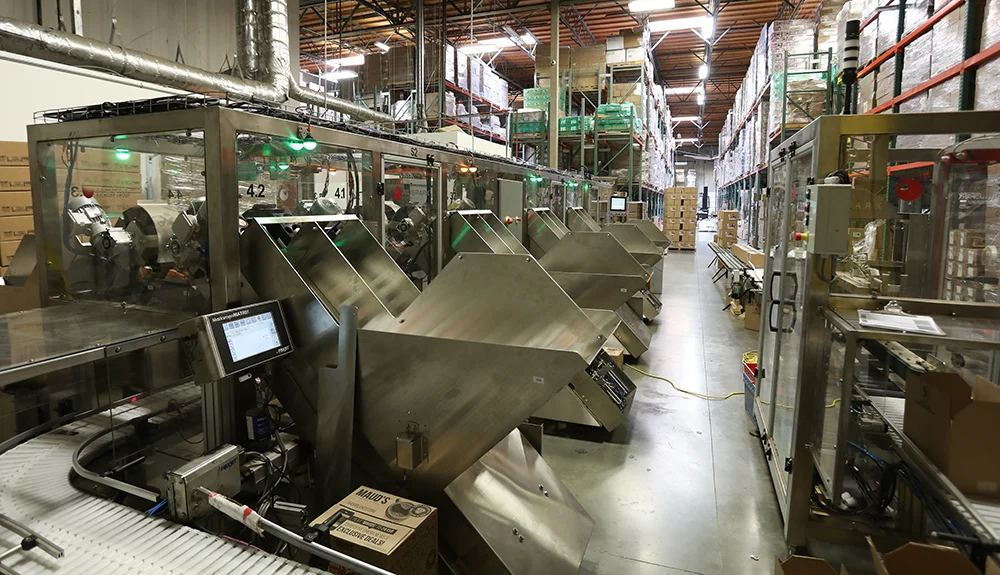
    Intelligent Blends production line

    The Role of Intelligent Blends in Packaging Innovation

    At Intelligent Blends, we understand the importance of choosing the right packaging format to meet the diverse needs of our customers. By integrating both stick pack packaging and stand up pouch packaging into our product offerings, we provide flexible solutions that cater to different product categories and market segments.

    Stick Pack Packaging at Intelligent Blends

    Our stick pack packaging solutions are designed with convenience and quality in mind. We offer custom stick packs that are perfect for single-serve coffee, tea, and nutritional supplements. Our advanced packaging technology ensures that each stick pack is precisely filled and sealed, maintaining the product’s freshness and integrity.

    We also recognize the growing demand for sustainable packaging options. To address this, we are continually exploring eco-friendly materials and processes that reduce the environmental impact of our stick pack packaging. By offering sustainable solutions, we help our customers align with consumer preferences for environmentally responsible products.

    Stand Up Pouch Packaging at Intelligent Blends

    Stand up pouch packaging is a key offering at Intelligent Blends, especially for products that require a strong shelf presence and extended shelf life. Our gusset pouch packaging is available in various sizes and materials, allowing for customization to meet specific product requirements.

    We also prioritize sustainability in our stand up pouch packaging. Our eco-friendly pouches are made from recyclable or compostable materials, providing a more sustainable option for our customers. Additionally, our pouches are designed with features like resealable closures and custom printing, enhancing both convenience and brand appeal.

    Looking ahead, the packaging industry is poised for continued growth and innovation. Key trends to watch include the increasing demand for sustainable packaging materials, the rise of smart packaging solutions that enhance product safety and consumer engagement, and the growing importance of personalized packaging that caters to individual consumer preferences.

    At Intelligent Blends, we are excited to be part of this dynamic industry and look forward to continuing our journey of innovation and excellence in packaging. By staying attuned to market trends and consumer needs, we will continue to deliver packaging solutions that not only meet but exceed our customers’ expectations. Whether you choose stick pack packaging or stand up pouch packaging, you can trust Intelligent Blends to provide the quality, convenience, and sustainability that your products deserve.

    Conclusion

    Both stick pack packaging and stand up pouch packaging offer unique advantages that cater to different product types and consumer needs. While stick packs excel in convenience and portion control, stand up pouches provide superior branding opportunities and product protection. The choice between the two packaging formats ultimately depends on the specific requirements of the product and the target market.

    As the demand for flexible and sustainable packaging continues to grow, we are at the forefront of innovation, offering packaging solutions that meet the evolving needs of consumers and businesses alike. By integrating stick pack and stand up pouch packaging into our offerings, we provide versatile options that enhance product appeal and performance.

    Whether you are looking to package single-serve beverages, powdered supplements, or premium coffees and teas, Intelligent Blends has the expertise and technology to deliver high-quality packaging solutions that resonate with your customers. As the market for flexible packaging continues to expand, we are committed to staying ahead of the curve, offering innovative and sustainable packaging that meets the demands of today’s consumers and tomorrow’s market.

    INTELLIGENT BLENDS: YOUR GO-TO CO-PACKER FOR STICK AND POUCH PACKAGING

    Intelligent Blends offers comprehensive solutions to bring your products to market efficiently. Leveraging our cutting-edge R&D lab and flexible production capabilities, we can customize your beverages in various formats such as K-Cups®, stick packs, and gusset pouches. Our commitment to sustainability and innovation ensures high-quality, eco-friendly packaging options. Additionally, our extensive experience in private label manufacturing and robust distribution networks will help you scale your product, meet market demands, and maintain competitive advantage.

    Press Release archives

  • The Essential Benefits of Electrolytes for Optimal Health and Performance

    The Essential Benefits of Electrolytes for Optimal Health and Performance

    In the world of health and wellness, electrolytes often come up in discussions about hydration, muscle function, and overall well-being for optimal health. But what exactly are electrolytes, and why are they so crucial for our bodies? This blog will delve into the definition and function of electrolytes, explore the causes and consequences of electrolyte imbalances, suggest effective ways to correct these imbalances, and highlight the benefits of incorporating electrolytes into your daily routine.

    Keep reading for a full overview of the benefits of electrolytes, or use the links below to go straight to a specific topic.

    lady making the heart symbol with her hands

    What Are Electrolytes?

    Electrolytes are critical minerals that support various bodily functions, including hydration, muscle function, and nerve signal transmission. Key electrolytes include sodium, potassium, calcium, magnesium, chloride, phosphorus, and bicarbonate. Here’s a detailed look at their benefits and how they contribute to overall optimal health.

    1. Hydration Support

    Electrolytes maintain fluid balance in the body, which is vital for preventing dehydration. Sodium and chloride help the body retain water, ensuring that cells are adequately hydrated and can function properly.

    1. Muscle Function and Cramp Prevention

    Electrolytes like magnesium and potassium are crucial for muscle contraction and relaxation. They help prevent muscle cramps and support endurance by ensuring that muscles function optimally and receive adequate blood flow.

    1. Heart Health

    Potassium, magnesium, and calcium play essential roles in heart health by helping to regulate heartbeats and supporting cardiac muscle function. An appropriate balance of these electrolytes can reduce the risk of cardiovascular issues.

    1. Blood Pressure Regulation

    Maintaining a proper balance of electrolytes is key to regulating blood pressure. Potassium helps counteract the effects of sodium, promoting healthy blood pressure levels and reducing the risk of hypertension.

    1. Nerve Function

    Sodium, potassium, and calcium are essential for transmitting nerve impulses. Proper electrolyte levels ensure efficient communication between nerve cells, preventing issues like muscle weakness and cramps.

    a couple working out. One eating a banana and the other drinking water

    When to Consume Extra Electrolytes

    Additional electrolyte intake may be necessary during prolonged physical activity, hot weather, illness, or excessive sweating. Situations that may require extra electrolytes include:

    • Intense workouts
    • Hot climates
    • Illnesses causing fluid loss
    • Excessive sweating

    Best Sources of Electrolytes

    A varied diet rich in fruits, vegetables, and proteins typically provides sufficient electrolytes. Key sources include:

    • Calcium: is best known for its role in bone health, but it also plays a key role in muscle function, nerve signaling, and blood clotting. Foods high in calcium: yogurt, bananas, broccoli, spinach, sesame seeds
    • Potassium: is crucial for muscle function, including the heart. It helps regulate heartbeat and muscle contractions and is essential for normal cell function. Foods high in calcium: carrots, sweet potatoes, lentils, beans, dried apricots
    • Magnesium: is involved in over 300 biochemical reactions in the body. It helps regulate muscle and nerve function, blood sugar levels, and blood pressure. Foods high in calcium: black beans, lima beans, brown rice, edamame, almonds, pumpkin seeds, avocado
    • Phosphorus: is important for energy production, bone health, and the formation of cell membranes. Foods high in calcium: yellowfin tuna, firm tofu, meat, lentils

    Coconut water, lemon juice, and other fruit juices also offer natural sources of electrolytes.

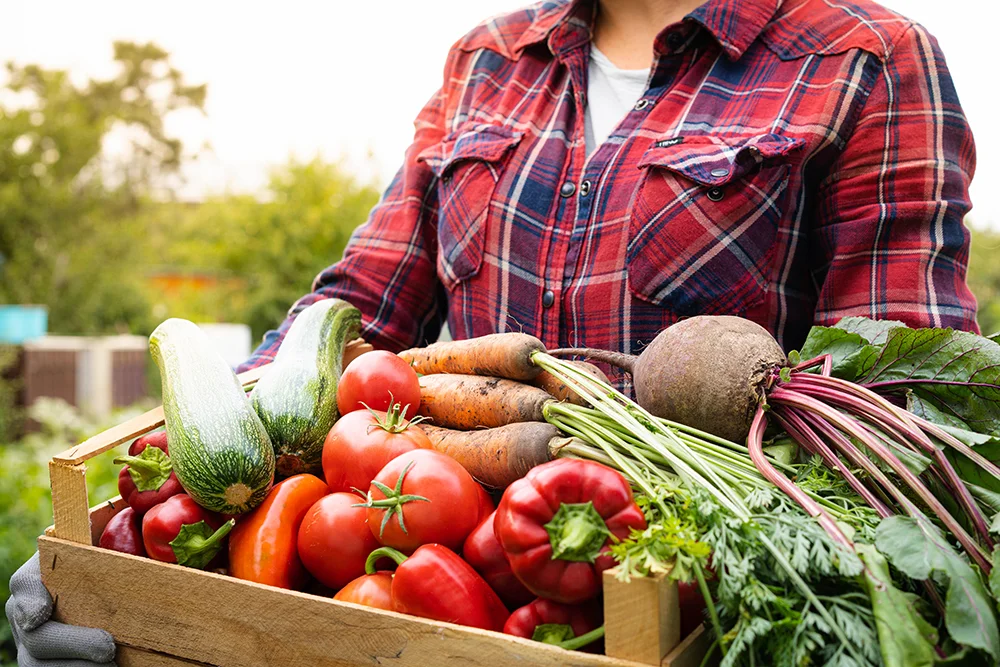
    person holding. tray of fruits and vegetables

    Safety Considerations

    Most people with a balanced diet do not need additional electrolyte supplements. However, for those who do, it’s important to:

    • Avoid added sugars in electrolyte drinks
    • Monitor intake to prevent excessive consumption, particularly of sodium
    • Address specific deficiencies if necessary, such as calcium or magnesium

    Electrolyte Imbalances

    Electrolyte imbalances occur when the levels of electrolytes in your body are too high or too low. These imbalances can lead to a variety of health issues.

    Causes of Electrolyte Imbalances

    Several factors can cause electrolyte imbalances, including:

    • Dehydration: Excessive loss of fluids through sweating, vomiting, or diarrhea.
    • Chronic diseases: Conditions like kidney disease, diabetes, and heart disease can disrupt electrolyte balance.
    • Medications: Diuretics, laxatives, and certain antibiotics can affect electrolyte levels.
    • Diet: Inadequate intake of electrolyte-rich foods.
    • Hormonal imbalances: Conditions like Addison’s disease or hyperaldosteronism.

    Symptoms of Electrolyte Imbalances

    The symptoms of electrolyte imbalances can vary depending on the specific electrolyte involved and whether the levels are too high or too low. Common symptoms include:

    • Muscle weakness or cramping
    • Fatigue
    • Irregular heartbeat
    • Confusion or dizziness
    • Nausea or vomiting
    • Headaches

    Common Electrolyte Imbalances

    Hyponatremia (Low Sodium)

    Hyponatremia occurs when sodium levels are too low. It can cause symptoms such as headache, confusion, seizures, and muscle weakness.

    Hyperkalemia (High Potassium)

    Hyperkalemia refers to high potassium levels and can result in symptoms like muscle weakness, fatigue, and irregular heart rhythms.

    Hypokalemia (Low Potassium)

    Hypokalemia is characterized by low potassium levels, leading to muscle cramps, weakness, and irregular heartbeats.

    Hypercalcemia (High Calcium)

    Hypercalcemia occurs when calcium levels are elevated, causing symptoms like nausea, vomiting, frequent urination, and kidney stones.

    Hypocalcemia (Low Calcium)

    Hypocalcemia involves low calcium levels, leading to muscle spasms, tingling in fingers, and abnormal heart rhythms.

    Correcting Electrolyte Imbalances

    Correcting electrolyte imbalances involves addressing the underlying cause and restoring the balance of electrolytes in the body.

    Rehydration

    Rehydration is crucial, especially in cases of dehydration-induced imbalances. Drinking electrolyte beverages or using electrolyte powders can help replenish lost electrolytes and fluids.

    Dietary Adjustments

    Incorporating electrolyte-rich foods into your diet is essential. Foods high in potassium, calcium, magnesium, and sodium can help maintain proper electrolyte levels.

    Medication

    In some cases, medication may be necessary to manage underlying conditions causing electrolyte imbalances. Diuretics, for example, may be prescribed to manage high blood pressure and fluid retention.

    Monitoring and Support

    Regular monitoring of electrolyte levels, especially for individuals with chronic conditions, is essential. Healthcare providers may recommend blood tests to check electrolyte levels and ensure they remain within the normal range.

    a man holding a scooper with electrolyte powder

    Electrolyte Beverages and Powders

    Electrolyte beverages and powders have become increasingly popular as convenient ways to replenish electrolytes. These products are especially useful for athletes, individuals with active lifestyles, and those recovering from illnesses that cause fluid loss.

    Electrolyte Beverages

    Electrolyte beverages, often marketed as sports drinks, are designed to hydrate and replenish lost electrolytes. They typically contain a mix of sodium, potassium, magnesium, and sometimes carbohydrates for energy.

    Benefits of Electrolyte Beverages

    • Convenient and ready-to-drink
    • Helps with rapid rehydration
    • Suitable for on-the-go use
    • Available in various flavors

    Electrolyte Powders

    Electrolyte powders are a versatile option for those who prefer to control the concentration of their electrolyte intake. These powders can be mixed with water to create a customized electrolyte drink.

    Benefits of Electrolyte Powders

    • Customizable concentration
    • Portable and easy to store
    • Often contain fewer calories and sugars compared to ready-to-drink options
    • Can be mixed with other beverages

    MARKET GROWTH OF ELECTROLYTES PRODUCTS

    The electrolyte products market has been experiencing significant growth, driven by increasing consumer awareness of health and wellness, and rising participation in sports and physical activities. In the United States, the electrolyte drinks market is projected to grow from $29.61 billion in 2023 to $31.54 billion in 2024, reflecting a compound annual growth rate (CAGR) of 6.5%. This growth is largely attributed to the heightened focus on hydration and health-conscious behavior among consumers​​​​.

    Globally, the electrolyte drinks market is expected to continue its upward trajectory, reaching $41.12 billion by 2028, with a CAGR of 6.9% during the forecast period. Key trends contributing to this growth include the increasing demand for natural ingredients, innovative flavor profiles, and sustainable packaging​​. The Asia-Pacific region is anticipated to record the fastest growth rate, driven by rising health awareness and a large, active consumer base, particularly in countries like India and China​​.

    In terms of product segmentation, sports drinks hold a significant market share due to their popularity among athletes and fitness enthusiasts. Electrolyte-enhanced water and hydration powders are also gaining traction as healthier alternatives with no added sugars or artificial ingredients​​. The expansion of distribution channels, including online retail, is further fueling market growth, offering consumers convenient access to a variety of electrolyte products​​.

    Overall, the market for electrolyte products is poised for substantial growth, supported by ongoing innovations and an increasing consumer focus on health and wellness​​​​​​.

    Conclusion

    Understanding and maintaining proper electrolyte balance is essential for optimal health and well-being. Electrolytes play crucial roles in hydration, muscle function, nerve signal transmission, and pH balance. Imbalances can lead to a variety of health issues, but they can be corrected through proper hydration, dietary adjustments, and, when necessary, medication.

    Incorporating electrolyte-rich foods into your diet and using electrolyte beverages or powders can help ensure you maintain adequate electrolyte levels. Whether you’re an athlete, live in a hot climate, or simply want to improve your overall health, adding electrolytes to your daily routine can offer numerous benefits, from improved hydration to better athletic performance and heart health.

    By understanding what electrolytes are and how they function in the body, you can take proactive steps to maintain your electrolyte balance and enjoy the benefits of optimal health.

    INTELLIGENT BLENDS: YOUR GO-TO CO-PACKER FOR electrolyte PRODUCTS

    Intelligent Blends offers comprehensive solutions to bring your electrolyte products to market efficiently. Leveraging their cutting-edge R&D lab and flexible production capabilities, they can customize your electrolyte beverages in various formats such as K-Cups®, stick packs, and gusset pouches. Their commitment to sustainability and innovation ensures high-quality, eco-friendly packaging options. Additionally, their extensive experience in private label manufacturing and robust distribution networks will help you scale your product, meet market demands, and maintain competitive advantage.

    Press Release archives